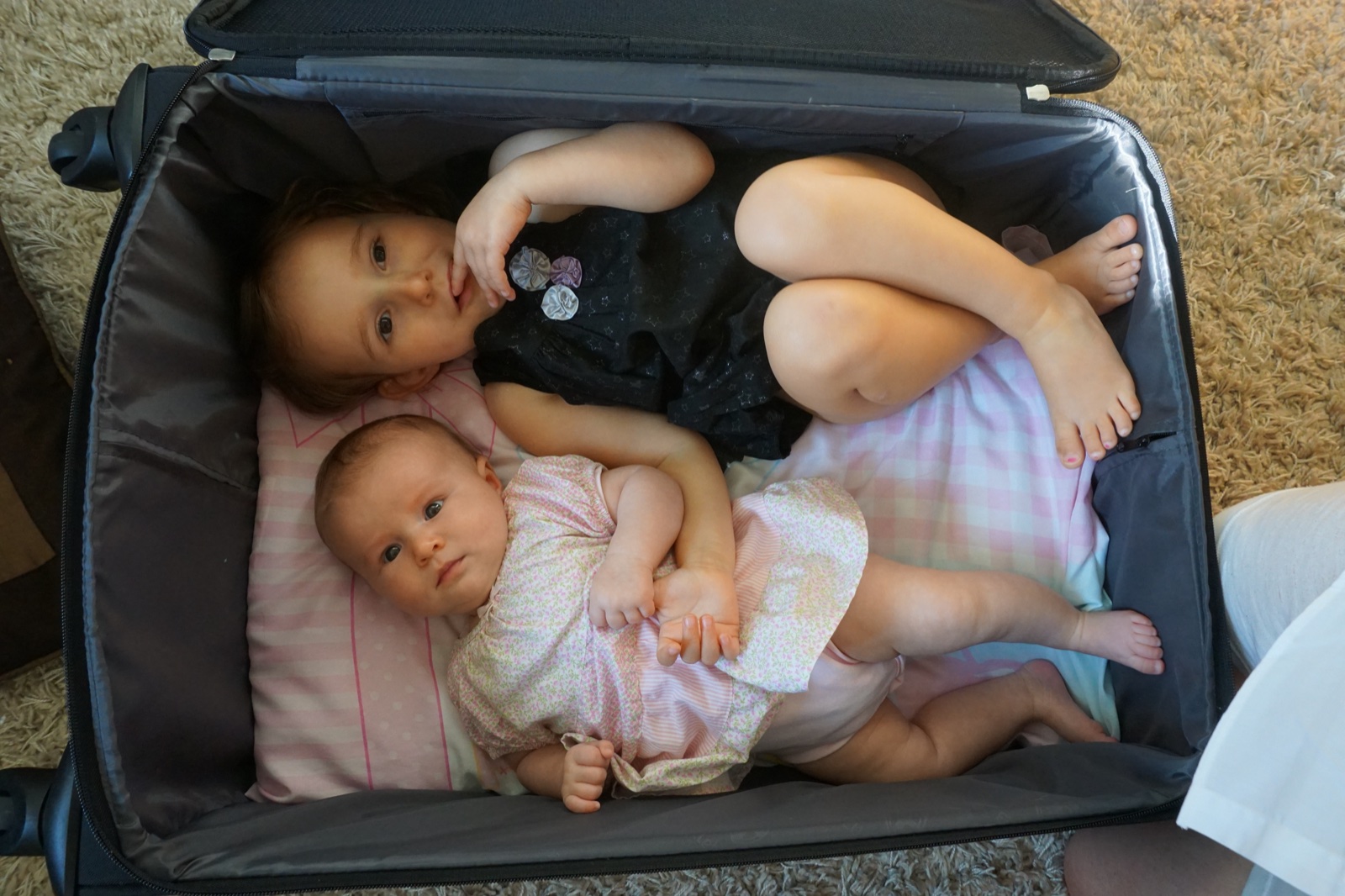
Packing for a trip is one of those jobs that should be simple, but somehow never is. The first step is whether you are flying or driving. We like to travel light and try to avoid paying expensive airline charges for carry ons and hold luggage.
You start with your bag or suitcase, add a few clothes, and before you know it you're trying to work out whether you need four pairs of shoes, a waterproof jacket, a snorkel and half the bathroom.
After travelling as a family for years, we've got a fairly reliable system — but we try to pack for the trip we're actually taking rather than every possible situation. There are some trips where you may to plan for every possible situation!! We have been on a few holidays where we had to plan for both hot and cold climates. We recently went on a road trip to the USA where in the space of three days, we went from 40C heat in the Arizona desert to -5C skiing in the Wasatch Mountains in Utah.
This is the packing list we use as a starting point. It works for everything from a European road trip to a long-haul holiday, with a few obvious additions depending on the destination.
The important stuff
Before thinking about clothes, make sure you've got the things that are difficult or expensive to replace.
- Passports
- Driving licences
- Travel insurance details
- Flight, train and ferry bookings
- Hotel and accommodation details
- Any visas or entry documents you need
- Bank cards
- Some local currency
- EHIC/GHIC cards where applicable
- Copies of important documents
- House and car keys
We also keep digital copies of important documents on our phones. It takes a few minutes to set up and is much easier than trying to remember an insurance policy number when something has gone wrong.
Clothes
This is where most people, ourselves included, tend to overpack.
For a normal summer holiday, we generally take:
- T-shirts and tops
- Shorts
- Trousers or jeans
- Underwear
- Socks
- Pyjamas
- Swimwear
- One lightweight jumper or hoodie
- A jacket or raincoat
- Something slightly smarter for evenings
- Comfortable walking shoes
- Sandals or flip-flops
The trick is not to pack a different outfit for every day. Most of our clothes can be mixed and matched, and we are quite happy to wear things more than once. If we're going somewhere for more than a week, we'll also look at whether we can do a load of washing during the trip. A washing machine can save a surprising amount of space in the suitcase.
Shoes: keep it under control
Shoes take up a ridiculous amount of space.
For most trips, three pairs per person is plenty:
- Comfortable trainers or walking shoes
- Sandals or flip-flops
- One smarter or destination-specific pair if needed
If we're doing a walking-heavy trip, the walking shoes win. If we're going somewhere hot, sandals get more use. There isn't much point taking four pairs of shoes just because you might wear them.
Toiletries
Most of the basics are fairly obvious:
- Toothbrush and toothpaste
- Deodorant
- Shampoo and conditioner
- Shower gel
- Moisturiser
- Sun cream
- After-sun
- Hairbrush
- Razor
- Contact lenses and solution, if needed
- Any regular medication
- Basic first-aid supplies
We tend to take smaller bottles where possible, particularly if we're flying.
It's also worth checking what your accommodation already provides. There's little point carrying a full-size bottle of shampoo across Europe if the hotel has perfectly decent shampoo in the bathroom.
The family first-aid kit
You don't need to take a travelling pharmacy, but a small kit is useful.
Ours normally includes:
- Plasters
- Antiseptic wipes
- Painkillers
- Antihistamines
- Bite and sting treatment
- Any regular medication
- Blister plasters
- Rehydration sachets
- A few basic medicines for upset stomachs
The blister plasters are particularly useful if you're doing lots of walking. Finding a pharmacy is easy enough in most places, but finding one when you're halfway up a hill with sore feet is another matter.
Electronics
The amount of technology a family takes on holiday can get slightly ridiculous.
Our usual list is:
- Phones
- Phone chargers
- Power bank
- Travel adapter
- Headphones
- Camera and charger, if we're taking one
- Tablets or e-readers and Laptop, only if we actually need them.
A multi-port USB charger can be particularly useful for a family. Four phones, watches, headphones and various other gadgets can otherwise turn a hotel bedside table into a mess of cables.
What goes in the hand luggage
For flights, we keep anything important or difficult to replace in our hand luggage.
That includes:
- Passports and travel documents
- Wallets
- Phones
- Chargers
- Medication
- Headphones
- Essential toiletries
- A change of clothes
- Snacks
- Empty water bottles to fill after security
- Any valuables
If checking in luggage, we also make sure there is enough in the hand luggage to get through at least the first day if our checked bags decide to take a different route. It has happened so often to us that we will do our best to avoid checking in luggage.
The kids' bags
With teenagers, this is much easier than it used to be.
They are responsible for their own entertainment now, but we still make sure they have:
- Phone
- Headphones
- Charger
- Power bank
- Book or Kindle
- Small bag or backpack
- Water bottle
- Sunglasses
- Any medication they need
And, importantly, they carry some of their own stuff.
There's a temptation when travelling as a family to become the person responsible for absolutely everything. We've found that now the girls are older giving everyone their own bag makes travelling much easier.
Beach and pool holidays
For a beach holiday, add:
- Swimwear
- Sun cream
- Sunglasses
- Sun hats
- Beach bag
- Goggles
- Lightweight towels if they aren't provided
- Waterproof phone pouch or dry bag
- Reusable water bottles
- Water shoes if the destination calls for them
We don't automatically take every piece of beach equipment we own. If something is cheap, bulky and easily available at the destination, it often makes more sense to buy it there — or simply go without.
Road trips
Road trips need a slightly different list.
As well as the normal holiday packing, we'll consider:
- Driving licences
- Car documents
- Insurance details
- Sat-nav or phone mount
- Charging cables
- Roadside assistance details
- Snacks
- Water
- Sunglasses
- Small rubbish bags
- Wet wipes
- A few plastic or reusable bags for wet clothes and rubbish
For longer drives, we also keep a small day bag accessible rather than putting absolutely everything in the boot.
It saves having to unpack half the car every time you stop.
What we don't bother taking
This is probably just as useful as the list of things we do take.
We don't pack for every possible weather condition. We don't take huge amounts of toiletries when we can buy them locally. We don't take clothes that only work with one particular outfit. And we try not to take things simply because we might possibly need them.
If we've forgotten something genuinely important, chances are we can buy it.
That's particularly true when travelling around Europe. A missing T-shirt is not an emergency.
Our final packing check
The night before we leave, we do one final check:
Documents
- Passports
- Wallets
- Insurance
- Bookings
- Driving documents
Clothes
- Underwear
- Swimwear
- Something warm
- Something waterproof
- Shoes
Toiletries
- Toothbrushes
- Medication
- Sun cream
- Contact lenses, if needed
Technology
- Phones
- Chargers
- Headphones
- Adapters
- Power banks
House
- Windows and doors
- Lights
- Heating
- Bins
- Fridge
- Keys
Then we close the cases and stop packing.
Because there comes a point where packing one more "just in case" item doesn't make you better prepared. It just makes the suitcase heavier.
Our rule
The best packing list isn't the one that contains everything.
It's the one that contains everything you actually need.
We've travelled enough now to know that holidays rarely go wrong because someone forgot a particular T-shirt. They are much more likely to become stressful because you've got too much luggage, too much stuff to keep track of, and nowhere to put it all.
So pack sensibly, leave a little space in the case, and get on with the trip.